

Introduction
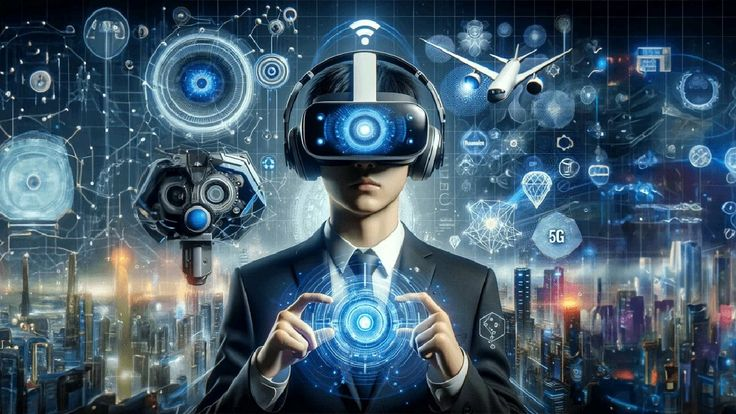
The virtual reality future is becoming one of the most exciting topics in modern technology. Virtual reality, often called VR, is no longer just a gaming tool. It is growing into a powerful system that is changing how we learn, work, communicate, and experience digital content. The virtual reality future promises a world where people can enter fully digital environments that feel almost real.
Today, VR is already used in gaming, education, healthcare, and business training. However, what we see now is just the beginning. In the virtual reality future, the technology will become more advanced, affordable, and widely available. People will be able to interact in virtual spaces with natural movements, realistic graphics, and even sensory feedback.
As technology improves, the virtual reality future will reshape industries and daily life. From virtual classrooms to digital workplaces, VR will create new opportunities for innovation and connection. This article explores what VR is, why it matters, how it works, its benefits, risks, and what experts expect in the coming years.
What is Virtual Reality Future?
The virtual reality future refers to the upcoming stage of VR technology where digital environments become more realistic, interactive, and integrated into everyday life. Virtual reality uses computer-generated simulations to create immersive experiences that users can explore using headsets, sensors, and controllers.
In simple terms, VR replaces the real world with a digital one. In the virtual reality future, this experience will become even more advanced. Users may feel physical sensations, smell environments, and interact naturally with objects in virtual spaces.
The virtual reality future also includes integration with artificial intelligence, 5G networks, and advanced hardware. These improvements will make VR faster, smoother, and more realistic than ever before.
For example, instead of watching a video call on a screen, people may sit together in a virtual room and interact like they are physically present. This shows how deeply the virtual reality future can change communication.
Why is Virtual Reality Future Important?
The virtual reality future is important because it has the power to change many parts of human life. It is not just entertainment technology; it is a tool for education, business, healthcare, and social interaction.
One major reason is learning improvement. Students can explore historical events, travel through space, or study science in 3D environments. This makes learning more engaging and easier to understand.
Another reason is business transformation. Companies can use VR for training employees, holding meetings, and designing products. This reduces costs and improves productivity.
Healthcare also benefits greatly. Doctors can practice surgeries in virtual environments before operating on real patients. This improves safety and accuracy.
In addition, the virtual reality future helps people connect globally. Friends and families can meet in virtual spaces, even if they live far apart. This creates stronger digital connections in a modern world.
Overall, the virtual reality future is important because it improves efficiency, learning, communication, and creativity across industries.
Detailed Step-by-Step Guide
How Virtual Reality Works Today
Virtual reality works using a combination of hardware and software. A VR headset displays a digital world, while sensors track head and body movements. Controllers allow users to interact with objects.
The system creates a 3D environment that changes based on user actions. This makes the experience feel real and immersive.
How the Virtual Reality Future Will Develop
In the virtual reality future, VR systems will become more advanced and natural. Here is how it will evolve step by step:
- Improved Hardware
Headsets will become lighter, wireless, and more comfortable. They will offer higher resolution and better graphics. - Sensory Feedback Systems
Users will feel touch, temperature, and motion in virtual environments. This is known as haptic technology. - Artificial Intelligence Integration
AI will create smart virtual environments that respond to user behavior in real time. - Full Body Tracking
Instead of just head and hand movement, the entire body will be tracked for more realistic interaction. - Cloud-Based VR Systems
High-quality VR experiences will be streamed directly from the cloud, reducing the need for expensive devices.
Key Industries Using VR in Future
- Education and training
- Healthcare and surgery
- Real estate and architecture
- Entertainment and gaming
- Tourism and travel simulation
These industries will grow rapidly as the virtual reality future expands.
Benefits of Virtual Reality Future
- Enhances learning experience through interactive education
- Improves workplace training and reduces real-world risks
- Provides immersive entertainment and gaming experiences
- Supports medical training and surgical simulations
- Reduces travel needs with virtual meetings and tours
- Helps architects design and visualize buildings in 3D
- Increases global communication and social interaction
- Offers new career opportunities in tech industries
Disadvantages / Risks
- High cost of advanced VR equipment
- Possible health issues like eye strain or motion sickness
- Risk of overuse and digital addiction
- Privacy concerns with data tracking
- Limited access in developing regions
- Technical problems and software limitations
- Social isolation if used excessively
Common Mistakes to Avoid
Many people misunderstand or misuse VR technology. Here are common mistakes:
One mistake is overusing VR without breaks. This can cause discomfort and reduce productivity. Another mistake is ignoring safety guidelines while using headsets, which can lead to accidents in physical space.
Some users expect VR to completely replace real life. However, VR is a tool, not a replacement for reality. It should be used to enhance experiences, not escape from them.
Another mistake is investing in low-quality devices. Poor equipment reduces the experience and may cause frustration.
Finally, not learning proper usage techniques can limit the benefits of VR. Understanding settings and controls is important for a smooth experience.
FAQs
1. What is the virtual reality future?
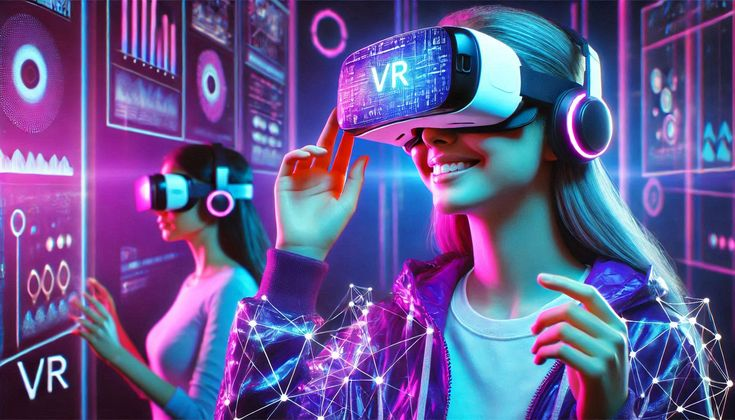
The virtual reality future refers to advanced VR systems that create highly realistic digital environments for education, work, gaming, and communication.
2. How will VR change education in the future?
Students will learn through interactive 3D experiences, making complex subjects easier to understand and more engaging.
3. Will VR replace real-life interaction?
No, VR will not replace real life. It will enhance communication and provide alternative ways to interact digitally.
4. Is virtual reality safe to use?
Yes, VR is generally safe when used properly. However, users should take breaks to avoid eye strain and discomfort.
5. What industries will benefit most from VR?
Education, healthcare, gaming, real estate, and business training will benefit the most from VR advancements.
6. What challenges does VR face today?
High costs, limited accessibility, technical issues, and health concerns are the main challenges.
Expert Tips & Bonus Points
Experts suggest using VR in moderation to avoid fatigue and discomfort. It is important to take regular breaks during long sessions.
Another tip is to invest in quality VR equipment for better performance and comfort. Higher quality devices provide smoother experiences and reduce motion sickness.
Learning basic VR controls and settings can greatly improve usability. Users should also explore different applications to fully understand its potential.
Developers recommend focusing on real-world applications rather than only entertainment. The virtual reality future will grow faster when used in education, healthcare, and business.
Finally, staying updated with new VR trends will help users and businesses take advantage of upcoming opportunities.
Conclusion
The virtual reality future is set to revolutionize the way humans interact with technology. It is no longer just a gaming innovation but a powerful tool shaping education, healthcare, communication, and business. As technology continues to improve, VR will become more realistic, affordable, and widely available.
In the coming years, the virtual reality future will create digital worlds that feel almost identical to reality. People will work, learn, and socialize in virtual spaces that offer endless possibilities. This shift will open new doors for creativity and innovation across industries.
However, while the virtual reality future brings many benefits, it also comes with challenges such as health risks, high costs, and privacy concerns. Responsible use and continuous development will be essential for maximizing its potential.
Ultimately, the virtual reality future represents a major step forward in human progress. It will not replace reality but enhance it, offering new ways to experience the world. As we move forward, VR will continue to shape a smarter, more connected, and more immersive digital age.
